
Defense Engineering and Performance Under Pressure
When the Mission Is Real, Performance Matters
In defense engineering, performance is not theoretical.
Every system, prototype, process, and decision ultimately supports the American warfighter. That reality demands discipline and clarity that extend beyond compliance and into execution.
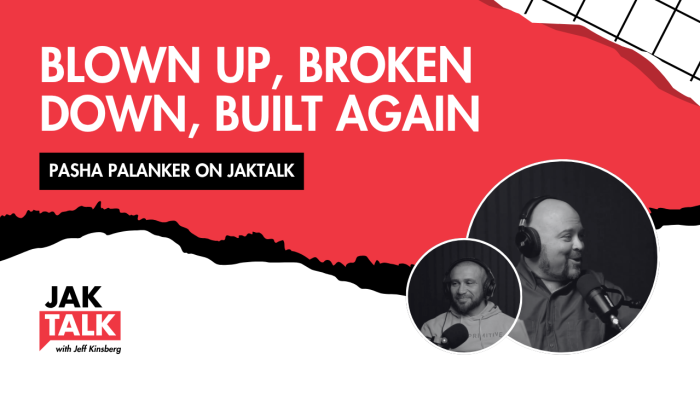
In a recent episode of JAKTALK, JAKTOOL founder Jeff Kinsberg spoke with Special Operations veteran and Deliverance Corp founder Pasha Palanker about what performance under pressure actually looks like. While the conversation centers on combat experience, leadership, and recovery, the lessons apply directly to defense engineering, defense contracting, and mission-driven technical work.
For organizations working across defense R&D, product development, and manufacturing, the takeaway is clear: process only matters if it holds up in real-world performance. Execution, not compliance, defines success in high stakes environments.
Defense Engineering Is a High Stakes Performance Environment
Defense engineering is often discussed alongside defense acquisition, contracting, and technical requirements. While those elements are essential, they do not determine success in mission-critical conditions. Execution determines success.
Teams must deliver when timelines compress and maintain quality as conditions shift. They must communicate clearly across technical and non-technical stakeholders, solve problems without losing momentum, and stay focused on the mission as complexity increases.
Whether in early-stage defense R&D, product development, or full-scale manufacturing, these pressures are constant.
In the JAKTALK episode, Pasha describes split-second decisions in combat and their lasting impact. While most engineers and defense contractors will never face that level of intensity, the principle still applies. High stakes environments reveal the strength of systems, teams, and leadership.
Supporting the American Warfighter Requires Ownership
A central theme in the conversation is responsibility.
Pasha describes a turning point where he shifted from reacting to circumstances to taking ownership of his path forward, creating clarity, direction, and purpose. The same principle applies across defense engineering and development, from early-stage R&D through manufacturing and deployment.
Supporting the warfighter requires ownership of outcomes, not just delivering against scope. In defense contracting and engineering environments, this means continually evaluating whether solutions will perform in real conditions, address the right problems, and meet the demands of the mission.
At JAKTOOL, this mindset shapes execution across engineering and development efforts. The focus is on delivering solutions that are reliable, relevant, and mission-ready. Ownership is reinforced through disciplined practices such as after-action reviews, real-world validation, rapid issue resolution, and continuous end-user feedback.
These mechanisms ensure that engineering work translates into real-world performance.
The Human Side of High Performance Defense Engineering
Defense engineering is built on systems and processes, but people execute it.
Engineers, program leaders, and defense contractors make decisions under constraint, manage competing priorities, and respond to uncertainty. They carry responsibility across teams and timelines and ultimately determine whether a project adapts or stalls.
The JAKTALK conversation highlights leadership, emotional control, and the long-term effects of operating in high stakes environments. These factors are often overlooked in technical discussions but directly impact engineering outcomes.
High performance engineering is both behavioral and technical. Organizations that consistently deliver understand how to maintain clarity under stress, communicate effectively as conditions tighten, recover quickly from setbacks, and lead with accountability. Actionable team behaviors reinforce these qualities: daily standups keep projects aligned and encourage prompt issue resolution, scenario-based drills prepare teams for unexpected challenges, and structured after-action reviews help teams capture lessons learned. Regular check-ins with stakeholders and clearly defined roles further support team clarity and accountability in high stakes environments.
That is what separates functional engineering teams from mission-ready defense organizations.
Core Values That Strengthen Defense Engineering and Contracting Outcomes
The values discussed in the JAKTALK conversation directly influence performance in defense engineering and defense contracting environments.
Accountability is foundational. High performing engineering teams take ownership of outcomes and address problems directly. In defense contracting, this builds stakeholder trust and ensures issues are resolved early before they create downstream risk.
Adaptability is critical in defense development. Requirements evolve, constraints shift, and conditions change rapidly. Teams that cannot adjust introduce risk into both engineering and manufacturing processes. Adaptability requires disciplined responsiveness, allowing teams to pivot without sacrificing quality or momentum.
Resilience ensures sustained performance across long development cycles, testing phases, and production timelines. In defense engineering, resilience shows up in consistent execution, rapid recovery from setbacks, and stability across complex programs.
Integrity defines how engineering and contracting work is carried out. Trust is built through consistent action, not documentation. In defense environments, integrity means honest communication, reliable delivery, and adherence to standards even under pressure.
Purpose connects these values. Pasha describes it as creating a positive impact on people he may never meet, shaped by his war experience. While JAKTOOL operates off the battlefield, its work supports those on it. Every engineering decision, system design, and manufactured solution plays a role in supporting the warfighter.
Recognizing that connection sharpens decision-making and reinforces the seriousness of the work.
What High Stakes Engineering Environments Reveal
Stress does not just reveal behavior. It amplifies it.
In defense engineering and development environments, small communication gaps can become critical failures, weak processes break down, leadership becomes visible, and values move from abstract ideas to operational realities.
Organizations working in defense must build for these conditions, not just for process. This includes establishing clear decision-making structures, reinforcing strong communication practices, defining ownership across engineering and manufacturing teams, and maintaining a culture focused on execution. Defining ownership across engineering and manufacturing teams ensures that accountability is clear at every stage, while maintaining a culture focused on execution keeps teams aligned with mission priorities.
When conditions tighten, there is no time to build these systems. They must already exist.
JAKTOOL’s Approach to Mission-Driven Engineering
JAKTOOL operates at the intersection of engineering, problem-solving, and defense support. That requires more than technical capability. It requires a mindset grounded in accountability, adaptability, and mission-focused execution.
This mindset applies across defense R&D, product development, and manufacturing. It prioritizes solving real problems, moving with urgency while maintaining quality, and maintaining accountability from concept through execution.
It also requires adapting to changing requirements without losing focus and staying grounded in the end user’s needs.
That clarity drives prioritization, decision-making, and execution. In defense engineering, real-world impact defines value. If a solution fails in the field, it fails entirely.
Conclusion: The Standard for Defense Performance
The JAKTALK conversation reinforces a critical point. Performance in high stakes environments is not just about capability. It is about values.
For defense engineering and defense contracting professionals, that means taking ownership of outcomes, operating with discipline and urgency, building systems that hold up under stress, leading with accountability and integrity, and staying aligned with mission purpose.
Supporting the American warfighter requires more than meeting requirements. It requires building engineering solutions and organizations that perform when it matters most.
Putting It Into Practice
Consistent action turns these principles into execution across defense engineering and development teams.
Organizations should regularly test their processes in real-world conditions and use after-action reviews to capture lessons and improve performance. Communication must remain clear and timely across engineering, program management, and contracting teams.
End-user feedback ensures solutions remain grounded in operational reality. Ownership must be clearly defined and reinforced across teams, and systems should be stress-tested through scenario-based exercises that reflect real mission conditions.
Most importantly, teams must stay connected to the purpose behind their work. In defense engineering, that purpose is clear: supporting the warfighter.
Watch the Full Episode
To hear the full conversation on performance under pressure, leadership, and supporting the American warfighter, watch this episode of JAKTALK featuring Special Operations veteran Pasha Palanker.
Follow along as Jeff Kinsburg and Pasha explore what it means to operate in high-stakes environments, how accountability and purpose shape performance, and why these principles matter in defense acquisition and engineering.
🎧 Watch now: https://youtu.be/5_eLc4QhotE
If you’re a veteran in crisis or know someone who’s struggling, you’re not alone. You can call or text 988 and press 1 to reach the Veterans Crisis Line, or chat via veteranscrisisline.net, available 24/7.